

Essential Indian Spices Every Home Cook Should Have in the Kitchen
Indian cooking does not require a cupboard packed with dozens of masalas. A small collection of versatile spices can help you prepare everything from everyday dal and sabzi to curries, rice dishes, snacks and special meals. Turmeric, cumin, coriander, chilli powder, mustard seeds and garam masala are among the most useful Indian spices to start with. X-PAT
For shoppers in Ghana who enjoy Indian food, understanding what each spice actually does makes grocery shopping easier. Instead of buying random packets, you can build a practical spice collection based on the dishes you cook most often.
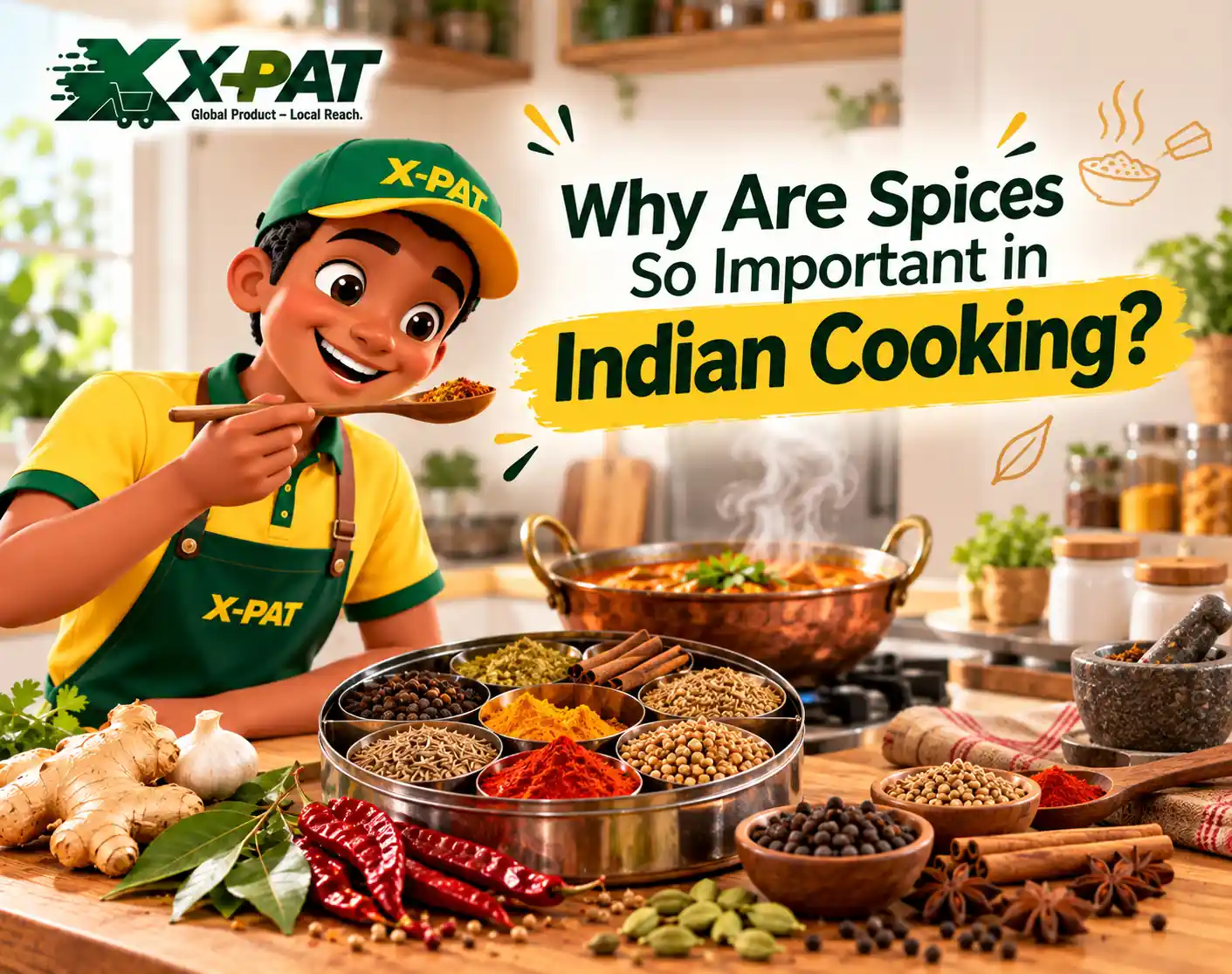
Why Are Spices So Important in Indian Cooking?
Indian cooking is often associated with “spicy” food, but spices are about much more than heat.
They can add aroma, colour, warmth, earthiness and depth to a dish. More importantly, the way a spice is used can completely change its effect.
Cumin seeds added to hot oil create a different flavour from cumin powder stirred into a curry. Whole coriander seeds taste different from ground coriander. Garam masala added near the end of cooking serves a different purpose from turmeric added earlier.
That is why building a useful Indian spice collection starts with understanding the role of each ingredient—not simply collecting as many masala packets as possible.
Which Indian Spices Should You Keep in Your Kitchen?
If you are setting up an Indian pantry for the first time, these are some of the most versatile options to consider.
Spice | Common Indian Name | Flavour/Role | Common Uses |
Turmeric | Haldi | Earthy, warm, colourful | Dal, sabzi, curries |
Cumin | Jeera | Earthy, aromatic | Tadka, dal, rice, curries |
Coriander | Dhania | Mild, warm, citrusy | Gravies, sabzi, masala |
Chilli Powder | Lal Mirch | Heat and colour | Curries, dal, snacks |
Mustard Seeds | Rai/Sarson | Pungent, nutty when tempered | Tadka, pickles, South Indian dishes |
Garam Masala | Garam Masala | Warm aromatic blend | Curries, dals, rice dishes |
Black Pepper | Kali Mirch | Sharp warmth | Curries, soups, marinades |
Asafoetida | Hing | Strong aroma | Dal, legumes, tadka |
Fenugreek | Methi | Slight bitterness | Curries, pickles, masala |
Carom Seeds | Ajwain | Strong, distinctive aroma | Paratha, pakora, savoury dough |
You do not necessarily need all ten immediately. Start with the spices that match your regular meals and expand your collection gradually.
1. Turmeric — The Everyday Kitchen Staple
Turmeric (haldi) is one of the most recognisable spices in Indian cooking. Its bright yellow colour makes it easy to identify, but its role goes beyond appearance.
A small quantity is commonly added to dal, vegetables, curries and rice preparations.
Because turmeric has a distinctive earthy character, more is not always better. Many recipes require only a small amount.
If you regularly prepare Indian-style dal, potato dishes, mixed vegetables or curries, turmeric is a practical pantry essential.
2. Cumin — Small Seeds With a Big Role
Open an Indian kitchen during tadka preparation and there is a good chance you will smell cumin (jeera).
Whole cumin seeds are commonly added to hot oil or ghee at the beginning of cooking. Ground cumin can be incorporated into spice mixtures, gravies and marinades.
Cumin works particularly well with:
- Dal and legumes
- Jeera rice
- Potato dishes
- Vegetable curries
- Chana and rajma
- Raita and chaats
If you have room for both whole cumin and cumin powder, they can serve different purposes in your kitchen.
3. Coriander — A Versatile Base Spice
Coriander is another highly useful ingredient for everyday Indian cooking.
Coriander powder (dhania powder) has a relatively gentle flavour, which makes it easy to combine with turmeric, cumin and chilli powder.
It frequently appears in curry bases, vegetable dishes and lentil preparations.
Whole coriander seeds can also be roasted and ground when a recipe calls for a fresher spice mixture.
For someone building a basic Indian spice box, coriander powder is one of the more versatile choices.
4. Red Chilli Powder — Control the Heat Yourself
Not every Indian dish needs to be extremely hot.
Red chilli powder (lal mirch) lets you adjust heat according to your preference. Different chilli powders can vary significantly in heat level and colour, so checking the package description is important.
If you prefer milder food, start with less and adjust during cooking.
For dishes where bright red colour is desired without excessive heat, some recipes use milder chilli varieties rather than very hot chilli powder.
The important lesson: red colour does not always tell you how hot a chilli powder will be.
5. Mustard Seeds — Perfect for Tadka
Mustard seeds may look simple, but heating them in oil can transform their aroma and flavour.
Known as rai or sarson, mustard seeds are commonly used in tempering and are especially familiar in many regional Indian cuisines.
They may appear in dishes such as vegetable preparations, dals, chutneys and pickles.
When heated correctly, the seeds begin to crackle or pop. Other ingredients such as curry leaves or chillies may then be added depending on the recipe.
6. Garam Masala — The Convenient Aromatic Blend
If there is one masala blend many Indian-food lovers recognise, it is garam masala.
Unlike a single spice, garam masala is a blend. Its exact composition can differ between brands and regional styles, but commonly used ingredients may include spices such as cumin, coriander, cardamom, cinnamon, cloves and black pepper.
It is often added toward the later stages of cooking to bring additional aroma and complexity.
You can use it in dishes such as paneer curries, chana, rajma, mixed vegetables and various gravy-based preparations.
Because blends vary, do not assume every garam masala tastes identical.
7. Black Pepper — Useful Beyond Indian Curries
Black pepper (kali mirch) is one of the easiest spices to use across cuisines.
Freshly ground black pepper can add sharpness and warmth without providing exactly the same flavour as chilli powder.
That versatility makes it useful if your kitchen combines Indian cooking with other cuisines.
Use it in soups, marinades, vegetables, curries, salads and numerous everyday preparations.
8. Hing — A Little Goes a Long Way
Asafoetida, commonly called hing, is particularly interesting because a tiny quantity can have a noticeable impact.
Its aroma straight from the container can be quite strong. Once properly cooked in hot oil or ghee, however, it contributes a distinctive savoury note.
It is commonly associated with dals, lentils and certain vegetable dishes.
For beginners, the key is simple: use hing sparingly.
Also check ingredient and allergen information on packaged hing products, because formulations can vary.
9. Fenugreek — For a Distinctive Indian Flavour
Fenugreek appears in Indian cooking in multiple forms.
Methi seeds have a noticeable bitter character and can be used in tempering, pickling and spice mixtures.
You may also encounter kasuri methi, which is dried fenugreek leaves rather than seeds. It is commonly crushed before being added to certain curries and gravies.
The two should not automatically be treated as interchangeable because their flavours and applications differ.
10. Ajwain — Especially Useful for Savoury Cooking
Ajwain, also known as carom seeds, has a powerful and distinctive aroma.
It is frequently used in doughs and savoury preparations, including some types of paratha, puri, pakora and snacks.
Because its flavour is strong, only a modest amount may be needed.
For someone who regularly prepares Indian breads and snacks, ajwain can be a useful addition after the basic spices are covered.
Whole Spices or Ground Spices: Which Should You Buy?
There is no need to choose only one.
Ground spices are convenient because they can be measured and added directly to recipes. Whole spices are useful for tempering, roasting and creating fresh masala mixtures.
A practical kitchen can contain both.
For example, you might keep whole cumin seeds for tadka and ground cumin for curries. Similarly, coriander powder is convenient for everyday cooking while whole coriander seeds can be useful for homemade masala.
What Is the Best Starter Spice Kit for Indian Cooking?
If you are new to Indian cooking, buying every spice at once can create unnecessary clutter.
A sensible starter collection could include turmeric, cumin seeds, coriander powder, chilli powder and garam masala.
With these five ingredients, you already have a useful base for many home-style dishes.
Once you become comfortable with them, add mustard seeds, hing, black pepper, fenugreek and ajwain according to the recipes you enjoy.
This approach is easier on your grocery budget and reduces the chance of spices sitting unused for months.

How Should You Choose Packaged Indian Spices?
When shopping for packaged spices, do not choose based on attractive packaging alone.
Check the ingredient list, especially when purchasing blended masalas. Look at the product name carefully to distinguish a pure spice from a spice blend. Check the pack size and relevant package information before purchasing.
For online grocery shopping, clear product images and descriptions can make comparisons much easier.
If you are buying Indian groceries in Ghana, it is also sensible to check current availability rather than assuming that a particular brand or pack size will always be stocked.
How Should You Store Indian Spices in Ghana?
Heat, moisture, light and air can gradually reduce the quality and aroma of spices.
Ghana’s warm and humid conditions make sensible storage particularly important.
Keep your spices in tightly closed containers in a cool, dry part of the kitchen. Avoid storing them immediately beside a cooker, sink or other source of heat and moisture.
Buying an enormous packet is not always economical if you use the spice slowly. A smaller pack that you finish while it is still aromatic can sometimes be the more practical purchase.
Which Spices Should You Buy First for Dal, Roti and Sabzi?
Think in terms of meals rather than individual products.
For simple dal, cumin, turmeric, chilli and possibly hing can give you a useful foundation. For everyday sabzi, turmeric, cumin, coriander and chilli are versatile choices. Garam masala can then add another layer to selected dishes.
Roti itself usually does not require a cupboard full of spices, but ajwain or other seasonings can be useful when preparing flavoured breads and parathas.
Combine these pantry spices with atta, rice, pulses and cooking oil, and you have the foundation for many everyday Indian meals.
Where Can You Explore Indian Spices Online in Ghana?
For people looking for Indian spices in Ghana, online grocery shopping can make it easier to browse different pantry products without visiting several stores.
X-PAT focuses on bringing Indian grocery and household essentials closer to shoppers in Ghana. You can explore the current catalogue for spices and other Indian cooking essentials, while checking the available brands, pack sizes and product information before ordering.
Because inventory can change, always rely on the current X-PAT catalogue for actual product availability rather than assuming a specific spice brand is in stock.
Build a Spice Collection You Will Actually Use
The best spice collection is not necessarily the biggest one.
Start with the ingredients that appear repeatedly in the meals you enjoy. Learn how they taste individually, understand when they should be added during cooking, and then expand your collection as your recipes become more varied.
For many kitchens, turmeric, cumin, coriander, chilli powder and garam masala provide an excellent starting point. Mustard seeds, hing, fenugreek, black pepper and ajwain can broaden the possibilities from there.
For shoppers searching for Indian groceries in Ghana, X-PAT provides a convenient place to explore Indian pantry essentials online and plan your grocery order around the meals you actually cook.
Frequently Asked Questions
What are the most essential Indian spices for beginners?
Turmeric, cumin, coriander, chilli powder and garam masala provide a practical starting collection for many Indian recipes.
Which Indian spices are commonly used for dal?
The exact recipe varies, but turmeric, cumin, chilli and sometimes hing are commonly used in different dal preparations.
Is garam masala a single spice?
No. Garam masala is a spice blend, and its ingredients and proportions can vary between recipes and brands.
Are cumin seeds and cumin powder the same?
They come from the same spice, but their form affects how they are used. Whole cumin is often tempered in hot oil, while ground cumin can be incorporated directly into a dish.
Is chilli powder always very spicy?
No. Different chilli varieties and blends can have different heat levels. Check the package information and adjust the quantity according to your preference.